
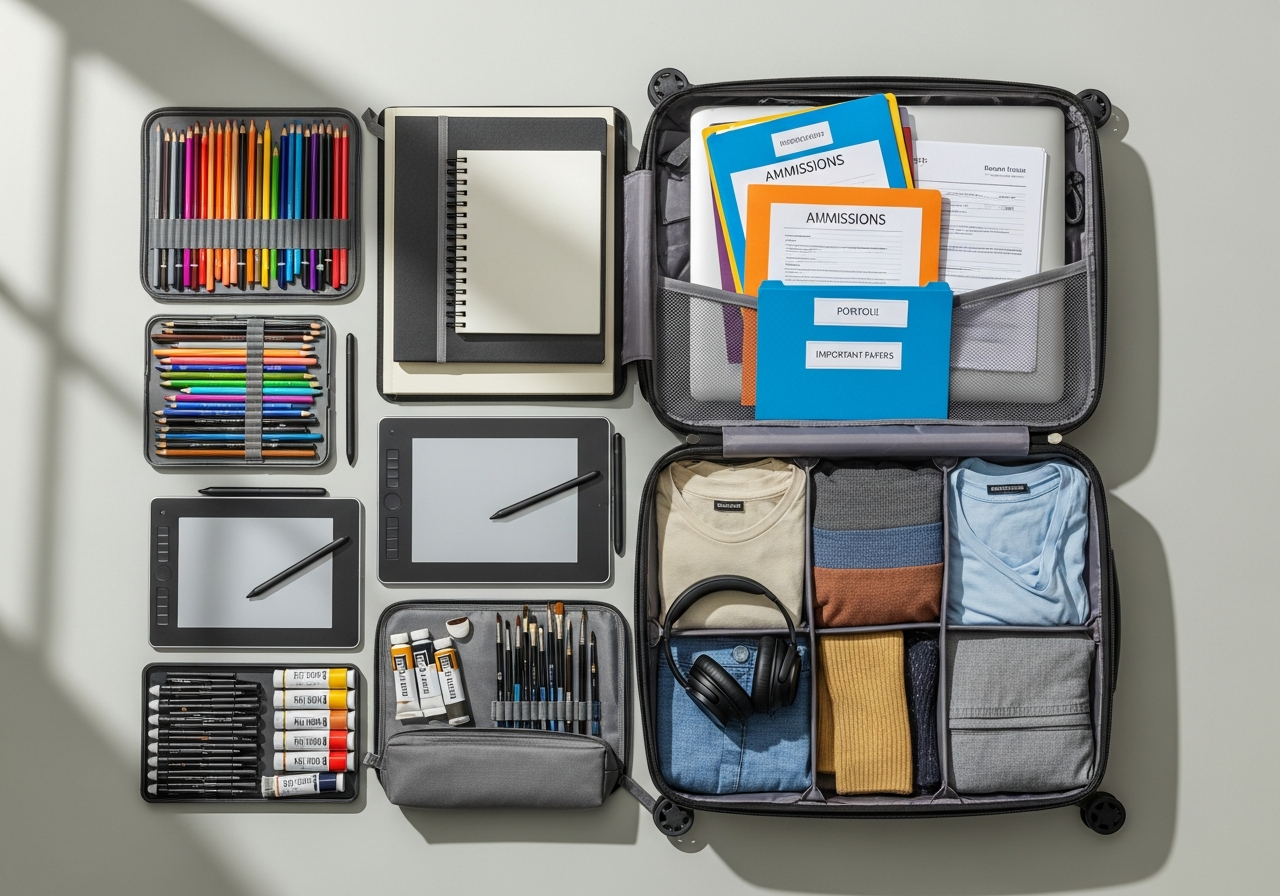
Vancouver’s animation scene is thriving, with prestigious institutions like Vancouver Film School (VFS) and Vancouver Institute of Media Arts (VIMAS) drawing aspiring animators from around the globe. The city’s mild, rainy climate and vibrant creative community make it an ideal destination for animation students, but proper preparation is essential for success.
This comprehensive checklist covers everything you need to pack and prepare before making your move. We’ll explore essential document categories, weather-appropriate clothing for Vancouver’s unique climate, dorm room necessities for limited spaces, specialized animation tools and technology, and crucial items to leave behind. Whether you’re an international student navigating visa requirements or a domestic student transitioning to independent living, this guide addresses the specific needs of animation school hopefuls.
Essential Documents and Immigration Prep
Proper documentation forms the foundation of your successful transition to Vancouver animation school. International students face additional complexity with visa requirements, while all students must prepare comprehensive portfolio materials and academic records for enrollment.
The documentation process requires meticulous attention to detail, especially for international applicants who must navigate Canadian immigration requirements alongside school-specific admissions criteria. Carrying original documents rather than photocopies can prevent costly delays during border crossings and enrollment processes.
- Secure your passport with at least six months validity remaining before your program start date
- Obtain Canadian study permit approval and carry the official letter with you during travel
- Compile your complete 12-piece animation portfolio meeting VFS program requirements
- Gather official transcripts from all previous educational institutions with certified translations if needed
- Arrange comprehensive health insurance coverage documentation meeting Canadian student visa requirements
- Prepare financial proof statements demonstrating ability to cover tuition and living expenses
- Organize acceptance letters, enrollment confirmations, and housing assignments in easily accessible folder
Visa and Study Permit Essentials
Canadian study permits require extensive documentation and processing time, typically taking 4-12 weeks depending on your country of origin. International students at VFS face significantly higher tuition costs compared to domestic students, with annual fees often exceeding $30,000 CAD for specialized animation programs.
Your study permit becomes your primary identification document in Canada, so safeguard multiple certified copies while keeping the original readily accessible. Some programs require additional work permits for internships or co-op placements, which should be arranged well in advance of your program start date.
Portfolio and Admission Documents
VFS animation programs mandate a 12-piece portfolio showcasing diverse artistic abilities, from traditional drawing skills to digital animation samples. Each piece must demonstrate technical proficiency and creative vision aligned with your chosen specialization, whether 3D animation, visual effects, or character design.
Digital portfolios should be backed up across multiple cloud platforms and physical storage devices, as technical failures during admission reviews can jeopardize acceptance. Maintain both high-resolution originals and compressed versions optimized for various submission platforms and presentation formats.
Clothing and Weather Gear for Vancouver Climate
Vancouver’s temperate oceanic climate brings mild winters and warm, dry summers, but the city’s reputation for rain is well-earned. Animation students spend long hours indoors but must navigate daily commutes and outdoor activities, making weather-appropriate clothing essential for comfort and health.
The casual yet professional atmosphere at animation schools allows for comfortable attire while maintaining a polished appearance for presentations and industry networking events. Layering becomes crucial for adapting to Vancouver’s variable weather patterns and climate-controlled studio environments.
| Season | Essentials | Quantity Tips |
|---|---|---|
| Fall/Winter | Waterproof jacket, warm sweaters, thermal layers | 2-3 jackets, 4-5 sweaters |
| Spring | Light rain jacket, cardigans, quick-dry pants | 1-2 light jackets, 3-4 cardigans |
| Summer | T-shirts, shorts, light jacket for AC | 6-8 shirts, 3-4 shorts |
| Year-Round | Waterproof boots, comfortable sneakers | 2 pairs boots, 2-3 sneakers |
| Professional | Business casual shirts, dark jeans, dress shoes | 3-4 nice shirts, 2 dress pants |
| Accessories | Umbrella, warm hat, moisture-wicking socks | 2 umbrellas, 8-10 sock pairs |
Layering for Rainy Seasons
Vancouver’s rainy season extends from October through April, requiring strategic layering to maintain comfort during temperature fluctuations. A high-quality rain jacket with breathable fabric prevents overheating while providing essential weather protection during daily commutes and outdoor activities.
Waterproof boots with good traction become indispensable for navigating wet sidewalks and campus walkways safely. Quick-dry clothing materials help manage moisture from both rain and indoor heating systems, ensuring you stay comfortable during long studio sessions.
Bedding and Dorm Room Essentials
Vancouver’s student housing typically features compact spaces requiring strategic packing and organization. Most dorm rooms and shared suites provide basic furniture but lack bedding, personal storage solutions, and comfort items essential for creating a productive living environment.
Limited storage space demands careful selection of multifunctional items and space-saving solutions. Many students find ordering bulky items like pillows and comforters after arrival more practical than shipping, though essential linens should accompany you for immediate comfort.
Coordination with future roommates prevents duplicate purchases and maximizes shared living spaces. Early communication about bringing shared items like cleaning supplies, kitchen appliances, and entertainment systems creates harmony and reduces individual expenses.
- Twin XL sheet set and pillowcases designed for standard dorm mattresses
- Lightweight comforter or duvet suitable for Vancouver’s mild climate
- Personal pillow for comfort and familiarity during adjustment period
- Compact laundry bag or basket for weekly washing routines
- Set of hangers for closet organization and wrinkle prevention
- Desk lamp for late-night studying and animation work
Space-Saving Organization
Under-bed storage bins maximize floor space while keeping seasonal clothing and personal items organized and accessible. Over-door hooks and organizers utilize vertical space for bags, jackets, and frequently used items without requiring wall mounting or furniture modification.
A quality mattress topper transforms basic dorm mattresses into comfortable sleeping surfaces, improving rest quality essential for demanding animation coursework. Stackable storage containers adapt to changing needs throughout the academic year while maintaining room aesthetics.
Animation School Tech and Tools
Professional animation requires specialized hardware and software tools that can represent significant investments for students. VFS programs emphasize industry-standard equipment and software, making compatibility and performance crucial considerations for personal technology purchases.
While schools provide computer labs and specialized equipment, many students benefit from personal devices for after-hours work and portfolio development. The demanding nature of 3D rendering and digital animation requires robust computing power and reliable backup systems to prevent project loss.
Printer access through campus facilities eliminates the need for personal printing equipment, while cloud-based software subscriptions ensure access to latest versions and collaborative features. Technical support services at animation schools typically focus on school-owned equipment, making reliable personal gear essential.
Digital art creation demands precision input devices and color-accurate displays that standard laptops cannot provide. Professional-grade tools like graphics tablets and calibrated monitors become essential investments rather than luxury additions for serious animation students.
| Item | Why Needed | VFS-Relevant Tools |
|---|---|---|
| High-Performance Laptop | 3D rendering, video editing, portable work | Maya, Cinema 4D, After Effects |
| Graphics Tablet | Precise digital drawing and painting | Wacom Cintiq Pro, Photoshop |
| External Hard Drive | Project backup, large file storage | Portfolio archives, render farms |
| Webcam/Microphone | Online classes, presentation recording | Virtual critiques, demo reels |
| Traditional Art Supplies | Concept sketching, storyboarding | Character design, pre-production |
| Multi-Port USB Hub | Connect multiple devices simultaneously | Tablet, drives, peripherals |
Digital Drawing Essentials
The Wacom Cintiq Pro series represents the industry standard for professional digital art creation, offering pressure sensitivity and color accuracy essential for character design and concept art development. These display tablets integrate seamlessly with industry software like Photoshop, ZBrush, and Sketchbook Pro used throughout VFS programs.
Sketchbook Pro provides intuitive digital drawing tools optimized for rapid concept development and storyboarding tasks common in pre-production workflows. The software’s brush engines and layer management systems complement traditional animation techniques while preparing students for industry digital pipelines.
Software and Backup
Cloud storage solutions like Google Drive, Dropbox, and Adobe Creative Cloud ensure portfolio accessibility from any device while providing automatic backup protection for irreplaceable creative work. Animation projects generate massive file sizes requiring robust storage strategies to prevent data loss disasters.
Version control becomes critical when working on collaborative projects and iterative design processes common in animation production. Multiple backup locations, including local drives and cloud services, protect against hardware failures and accidental deletions that could derail academic progress.
Kitchen and Bathroom Supplies for Suites
Shared suite living requires coordination with roommates to avoid duplicate purchases and maximize limited storage space. Most Vancouver student housing includes basic kitchen appliances but lacks small appliances, cookware, and personal care items essential for comfortable independent living.
Budget-conscious students benefit from coordinating purchases and exploring second-hand options for non-essential items. Communication about shared responsibilities and personal preferences prevents conflicts and ensures everyone contributes fairly to common area supplies and maintenance.
| Category | Pack These | Avoid Duplicates |
|---|---|---|
| Kitchen Appliances | Personal coffee maker, toaster | Microwave, refrigerator (provided) |
| Cooking Basics | Non-stick pan, basic utensils | Full cookware sets (coordinate) |
| Cleaning Supplies | Personal sponges, dish soap | Bulk cleaning products (share cost) |
| Bathroom Items | Personal toiletries, towels | Toilet paper, cleaning supplies (share) |
| Storage | Personal food containers | Large storage items (coordinate) |
Shared Suite Tips
Vancouver’s Mindful Market and other second-hand retailers offer quality kitchen and household items at student-friendly prices, making it practical to purchase bulky items after arrival rather than shipping. Thrift shopping also supports sustainable practices while building community connections with fellow students and local residents.
Establishing cleaning schedules and shared expense agreements before conflicts arise creates harmony in cramped living situations. Digital apps for splitting expenses and coordinating purchases help roommates maintain fairness and transparency in shared living arrangements.
Personal Care and Comfort Items
Maintaining physical and mental health during intensive animation studies requires attention to personal care routines and comfort needs. The demanding nature of creative programs, combined with adjustment to new living situations, makes familiar comfort items and health supplies essential for academic success.
Vancouver’s mild climate and indoor heating systems can affect skin and respiratory health, making appropriate personal care products important for physical comfort. International students should research Canadian availability of specific medications and personal care brands to avoid shortages or incompatibility issues.
Creating a comfortable, personalized living space supports mental health and academic performance during stressful periods of intensive coursework and project deadlines. Small comfort items and personal touches help transform sterile dorm rooms into welcoming, productive environments conducive to creative work.
- Prescription medications with extra supply and pharmacy transfer documentation
- Comfort snacks and familiar food items for homesickness and late-night study sessions
- Personal photos and mementos for room decoration and emotional support
- Small fan for air circulation in climate-controlled dorm environments
- Reusable water bottle for hydration during long studio sessions
- Basic first aid supplies including pain relievers and cold medicine
- Quality pillow and blanket from home for familiar comfort and better sleep
Health and Hygiene
Canadian healthcare requires provincial health insurance registration, which can take several months for international students to obtain coverage. Comprehensive travel or student health insurance documentation should accompany you during initial months while provincial coverage processes.
Mental health resources through school counseling services provide crucial support during academic and personal adjustment periods. Familiarizing yourself with campus health services and local medical facilities before emergencies arise ensures quick access to necessary care when needed.
Room Personalization
Family photos, artwork, and personal decorative items transform impersonal dorm spaces into comfortable retreats supporting creativity and relaxation. Small plants, string lights, and personal artwork create inspiring environments conducive to artistic development and emotional well-being.
A quality desk lamp with adjustable brightness supports both late-night studying and detailed art work while reducing eye strain common in extended computer use. Personal lighting helps create comfortable working conditions regardless of harsh overhead fluorescent fixtures typical in student housing.
Transportation and Parking Options
Vancouver’s compact urban layout and excellent public transportation system make personal vehicles unnecessary for most animation students. Limited parking availability and high costs around campus areas further discourage car ownership, while cycling and walking provide healthy, economical alternatives for daily transportation needs.
The city’s bike-friendly infrastructure includes protected lanes and bike storage facilities, though security concerns require quality locks and vigilant theft prevention measures. Public transit passes offer unlimited access to buses and SkyTrain systems connecting all major destinations relevant to student life and internship opportunities.
| Option | Pros | Cons |
|---|---|---|
| Bicycle | Exercise, economical, flexible timing | Weather dependent, theft risk, storage |
| Public Transit | All-weather, extensive coverage, student discounts | Fixed schedules, crowding, monthly costs |
| Walking | Free, healthy, no parking needed | Weather exposure, time consuming, limited range |
| Car Ownership | Convenience, independence, job access | Expensive parking, insurance, maintenance |
Campus Mobility Hacks
Students requiring parking permits should apply immediately upon program acceptance, as spaces fill quickly and waiting lists extend throughout the academic year. Alternative parking options in surrounding neighborhoods often require daily payment or residential permits unavailable to students.
Bike-sharing programs and scooter rentals provide occasional transportation flexibility without ownership commitments or storage concerns. Many students find combining walking, cycling, and public transit creates optimal mobility while maintaining fitness and managing costs effectively throughout their studies.
What NOT to Pack: Prohibited and Risky Items
Space limitations and campus regulations restrict many items students might consider bringing to animation school. Understanding prohibited items prevents shipping costs, customs issues, and disposal problems upon arrival, while recognizing risky items helps protect valuable possessions from theft or damage common in shared living situations.
Many items readily available in Vancouver eliminate the need for long-distance shipping, while others prove impractical due to size constraints or usage limitations in dorm environments. Campus facilities and local services often provide access to items like printers and specialized equipment without requiring personal ownership.
Theft prevention requires careful consideration of valuable items that attract unwanted attention or prove difficult to secure in shared living spaces. Insurance limitations and replacement costs make some possessions impractical for student life, regardless of their perceived utility or sentimental value.
- Personal printers and large office equipment due to space constraints and campus alternatives
- Weapons of any kind, including decorative items that could be misinterpreted by authorities
- Expensive jewelry or watches that attract theft and provide limited practical value
- Large furniture items that won’t fit in dorm rooms or violate housing agreements
- Illegal substances or prescription medications belonging to others that violate customs and campus policies
- High-end bicycles without adequate security measures due to prevalent campus theft
- Excessive amounts of electronics that exceed dorm electrical capacity or insurance coverage
- Perishable food items that won’t survive shipping or violate customs agricultural restrictions
Alternatives After Arrival
UBC bookstore and campus libraries provide comprehensive printing services with student discounts, eliminating the need for personal printer ownership while offering professional quality and technical support. Many local print shops specialize in large format printing for animation projects and portfolio presentations.
Vancouver’s robust second-hand market through Craigslist, Facebook Marketplace, and local thrift stores offers affordable alternatives for furniture and household items after you’ve assessed actual space and needs. This approach prevents shipping costs while supporting sustainable consumption practices valued in Vancouver’s environmentally conscious community.